 Europa
  United Kingdom
  Türkiye
  USA & Canada
  APAC
APAC  الشرق الأوسط
 Project FENRIR, a student initiative at Luleå University of Technology (LTU), is developing a modular Free-Falling Unit (FFU) for reduced gravity experiments on sounding rockets. Their goal is to make microgravity research more accessible while advancing thermal control and stabilisation systems. Partnering with Xometry, the team used precision manufacturing to produce critical components, meeting strict technical requirements and tight deadlines.
Industry
Aerospace
Country


Szwecja
Use case
PrototypingR&D
Technology
Druk 3DObróbka CNC
Materials
Aluminium (for CNC-machined wall plates), Stainless steel (for retention brackets), Material for DMLS printed motor mounts
Product
Modular Free-Falling Unit (FFU) for microgravity research
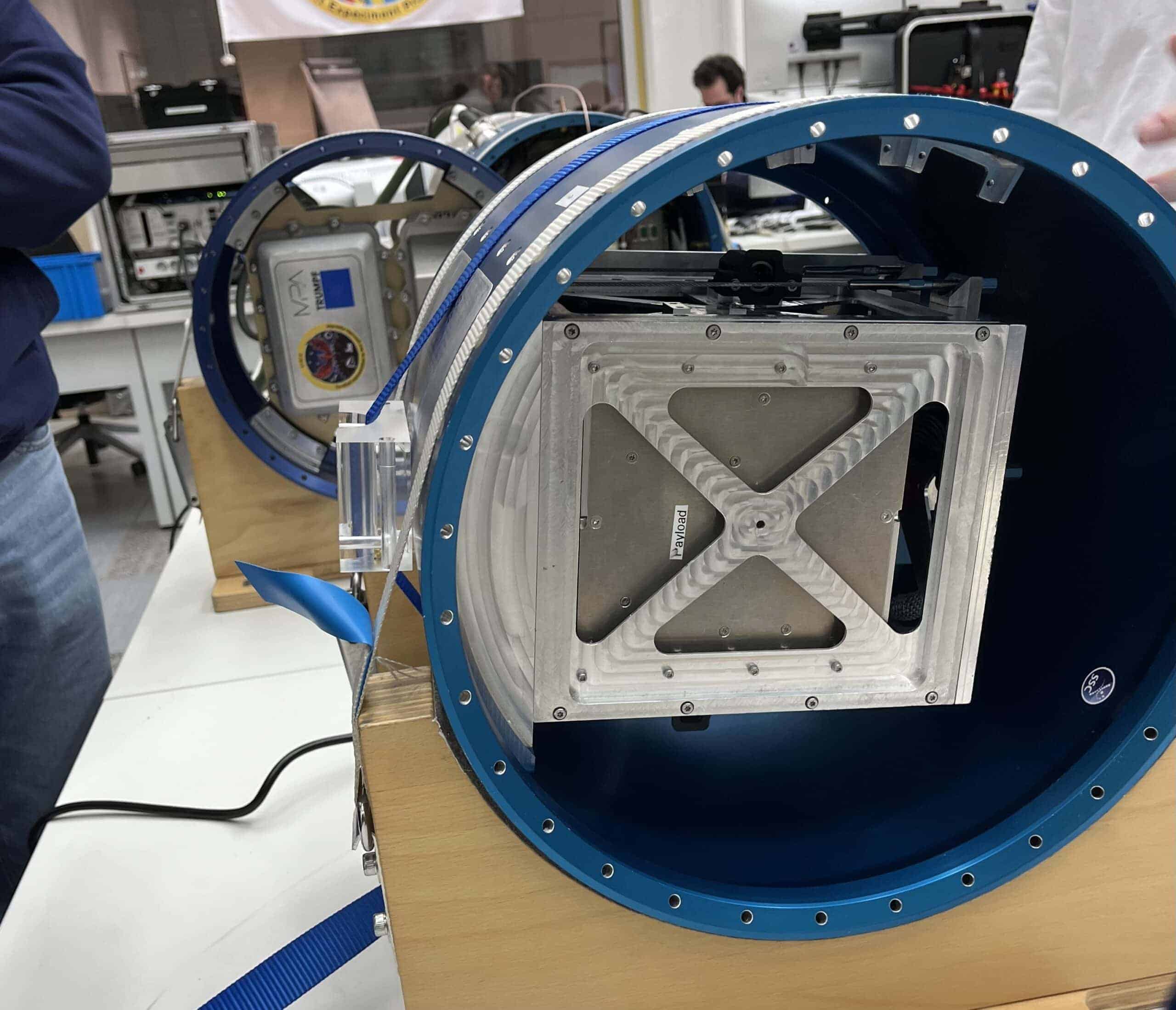
We were impressed with how smoothly the process went, from quoting to delivery. Xometry’s ability to deliver high-quality parts on time was essential to our success.
Making Space Exploration More Accessible
Project FENRIR was founded at Luleå University of Technology (LTU) in Sweden, as part of the REXUS/BEXUS program, a joint initiative between the German Aerospace Center (DLR) and the Swedish National Space Agency (SNSA), with support from European Space Agency (ESA). The program provides students across Europe with the opportunity to design, build, and launch experiments on suborbital sounding rockets, enabling hands-on experience in aerospace research.
The project is driven by a diverse group of LTU students, working across five specialised departments: mechanical, electrical, software, science & payload, and management. Since its inception, 25 contributors have been involved, with 16 currently working on-site in Kiruna, Sweden. Their collaborative effort focuses on overcoming complex engineering challenges while ensuring the platform remains reusable for future missions.

The FENRIR team’s mission is to create a cost-effective and adaptable platform for microgravity experiments, building on LTU’s earlier successes. The Free-Falling Unit (FFU) is designed to be ejected from the rocket at its apogee (~80 km), providing approximately 70 seconds of reduced gravity for scientific experiments. This feature allows future researchers to focus solely on their experiments without the need to design an entirely new experimental platform from scratch.
To ensure a successful experiment, the FFU features a controlled parachute deployment system for safe recovery. Its modular structure, combined with an Attitude Stabilisation System (ATSS) and Phase Change Material (PCM) payload, provides an adaptable research platform for future microgravity studies.
FENRIR follows in the footsteps of earlier LTU projects, particularly the ASTER project, which was part of the REXUS/BEXUS program, a European student initiative for suborbital research. ASTER aimed to develop precision attitude control for Free-Falling Units. While ASTER focused on highly controlled attitude stabilisation, FENRIR prioritises modularity, enabling researchers to integrate and adapt different scientific payloads without redesigning the entire platform.


ATSS: Stabilising Microgravity Conditions
One of FENRIR’s key innovations is the Attitude Stabilisation System (ATSS), designed to minimise angular velocity during descent, ensuring a stable microgravity environment for experiments. The ATSS features three reaction wheels mounted perpendicular to each other, which store and redistribute angular momentum, effectively slowing the FFU’s rotation.
By reducing the rotational motion of the FFU, the ATSS improves experimental conditions, making it possible to conduct more precise microgravity studies. Unlike previous systems that required complex attitude control, FENRIR’s approach ensures stability while maintaining an adaptable design that can be used for future research.
PCM: Investigating Phase Change Materials in Space
The FFU also houses a Phase Change Material (PCM) payload, designed to investigate how materials transition between solid and liquid states in microgravity. PCM technology is widely used in thermal control systems for spacecraft due to its ability to store and release heat, but its behavior in microgravity remains poorly understood.
To address this knowledge gap, the FENRIR team developed a dedicated PCM experiment module, consisting of:
- A transparent observation window, allowing onboard cameras to record the phase transition process.
- A copper roof and a heating pad, which induce phase transitions in a controlled manner.
- Four internal temperature sensors, tracking heat distribution and phase change behavior in real time.
The PCM experiment, combined with the ATSS stabilisation system, will provide valuable insights into heat regulation in space environments, contributing to future advancements in spacecraft thermal control and microgravity research.
By integrating the ATSS and PCM payloads, FENRIR provides a versatile platform for future microgravity studies. Its modular architecture supports ongoing advancements in space research, allowing scientists to conduct experiments without needing to design entirely new systems.


How Xometry Helped Bring FENRIR’s Vision to Life
Manufacturing space-ready components requires extreme precision, strict material tolerances, and rapid iteration—challenges the FENRIR team tackled by partnering with Xometry. Through CNC machining and advanced 3D printing, Xometry provided critical FFU components that met aerospace standards while significantly reducing lead times.
“The support we’ve received from our partners has been crucial in addressing the challenges of creating such a complex platform,” says Eric Almqvist, Mechanical Department Lead at Project FENRIR. The Instant Quoting Engine also provided real-time feedback, enabling the team to optimise designs for manufacturability.
The FENRIR team carefully selected component materials based on a tradeoff between strength and weight. The parts needed to withstand vibrational loads during the mission while keeping the experiment mass to a minimum. Additionally, the team required electromagnetic isolation for the PCBs, ensuring radiosilence to prevent interference with onboard electronics.
The FENRIR team initially prototyped the parts in-house, iterating on their designs to meet the project’s unique requirements. Xometry’s engineers then helped refine these designs, ensuring manufacturability and improving efficiency for production. The parts manufactured by Xometry are the actual components that will fly on the REXUS 34 sounding rocket, meeting the strict standards required for aerospace applications.
Xometry manufactured several key components for the Attitude Stabilisation System (ATSS) and other systems, including:
- CNC-machined aluminum wall plates that form the structural cube of the FFU and include an electromagnetically isolating PCB case to shield electronics from interference.
- A CNC-machined stainless steel retention bracket, capable of securing a 3 kg payload at 4 Hz rotation, ensuring stability during the FFU’s operation.
- A CNC-machined rotor wheel, vital for the reaction wheel system within the ATSS.
- A DMLS 3D-printed motor mount, optimised for high strength-to-weight performance in microgravity.
The combination of CNC machining and advanced 3D printing allowed the FENRIR team to source components tailored to their specific needs, ensuring both manufacturability and performance. By utilising Xometry’s services, they successfully addressed their design challenges while staying on schedule.
Precision Manufacturing for Aerospace Applications
The FENRIR team relied on Xometry’s Instant Quoting Engine to simplify the design process. By receiving real-time feedback and cost estimates, they were able to optimise their designs for manufacturability while staying within budget.
“The Instant Quoting Engine helped us compare manufacturing processes quickly and made it easier to finalise our designs,” said Almqvist, “For simpler parts, the instant quoting engine saved us a lot of time, while more complex components benefited from Xometry’s engineering reviews.”

The components supplied by Xometry integrated seamlessly into the final assemblies, meeting the rigorous standards required for aerospace applications. This precision significantly accelerated the team’s timeline, allowing them to begin testing and integration earlier than planned.
“We were impressed with how smoothly the process went, from quoting to delivery,” Almqvist shared. “Xometry’s ability to deliver high-quality parts on time was essential to our success.”

Final Countdown: Project FENRIR’s Next Steps
With the launch of REXUS 34 scheduled for March 2025, the FENRIR team is conducting final preparations and ensuring their platform is mission-ready. Post-launch, they plan to analyse their experimental results and publish their findings, contributing valuable insights to the fields of microgravity research and space technology.
Although Project FENRIR is nearing its conclusion, the team remains committed to recommending Xometry to future LTU projects. “Xometry’s support has been invaluable, and we’re confident that other teams at LTU will benefit from their services in the future,” Almqvist concludes.
About Project FENRIR: Project FENRIR is a student-led initiative at Luleå University of Technology (LTU) dedicated to advancing space research through innovative microgravity experiments. As part of the prestigious REXUS/BEXUS program, supported by the German Aerospace Center (DLR) and the Swedish National Space Agency (SNSA), the team designs and develops modular Free-Falling Units (FFUs) to facilitate accessible and cost-effective reduced gravity research. By collaborating with industry partners like Xometry, Project FENRIR combines precision manufacturing with cutting-edge engineering to push the boundaries of space exploration.
Website: https://project-fenrir.netlify.app/
Contact: fenrir.ltu@gmail.com

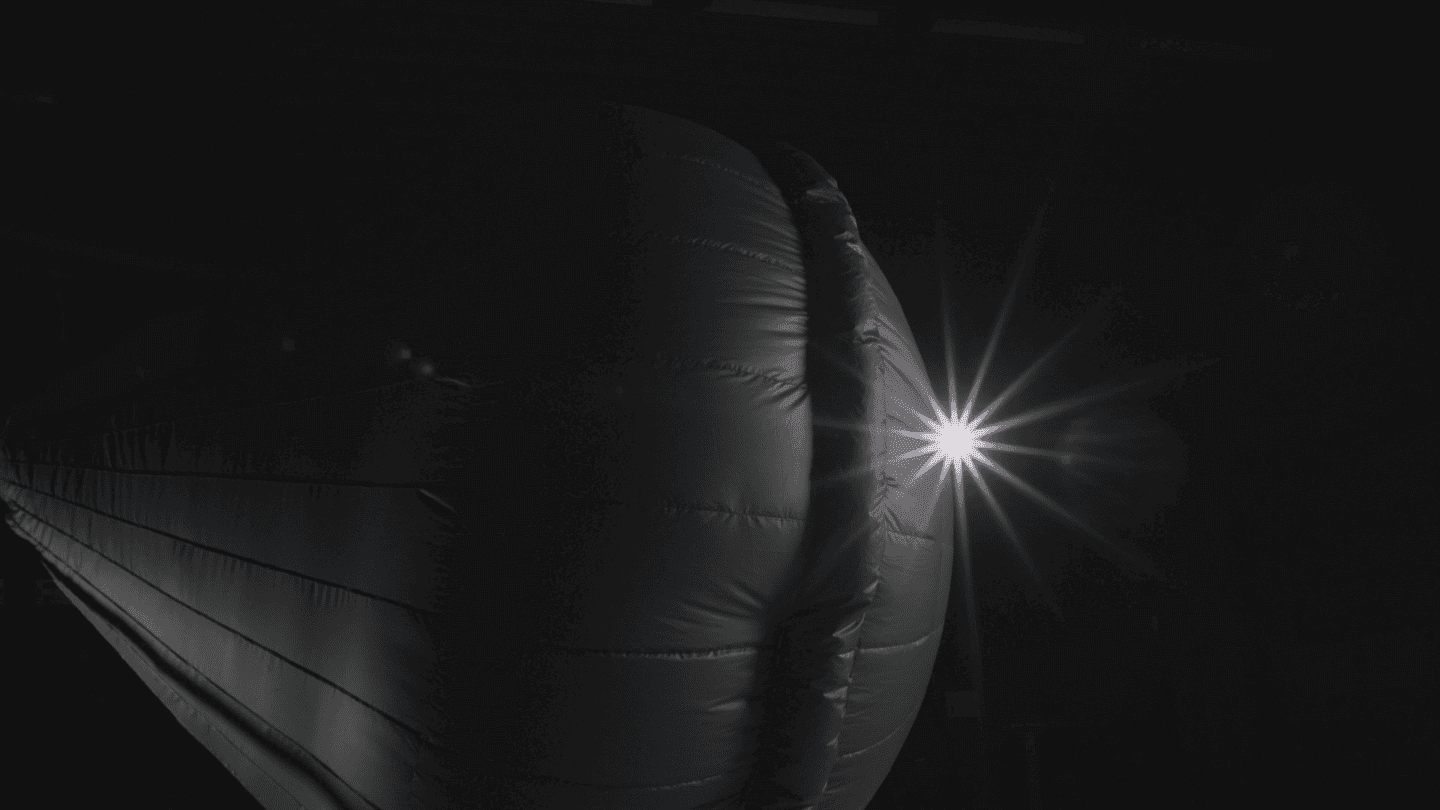


Xometry Supports Atmos for Innovative Return Service for Biomedical Research in Space
Aerospace
Obróbka CNC
R&D, Procurement
Read Story
The rings are critical components, everything literally depends on them.
Read Story



Asat Launches A High-Power Rocket With Parts Manufactured By Xometry
Aerospace
Obróbka CNC
Prototyping, R&D
Read Story
Parts that were manufactured by Xometry are an excellent example … optimising the weight of these parts was crucial to be able to send the whole vehicle into targeted apogee with a limited weight.
Read Story




Xometry Enables JTW Astronomy to Produce High-Quality Trident Telescope Mounts
Aerospace
Obróbka CNC
R&D, High-Volume Manufacturing
Read Story
I was first introduced to Xometry when I worked at a night vision/thermal imaging device company that it supplied parts to and the rest is history.
Read Story
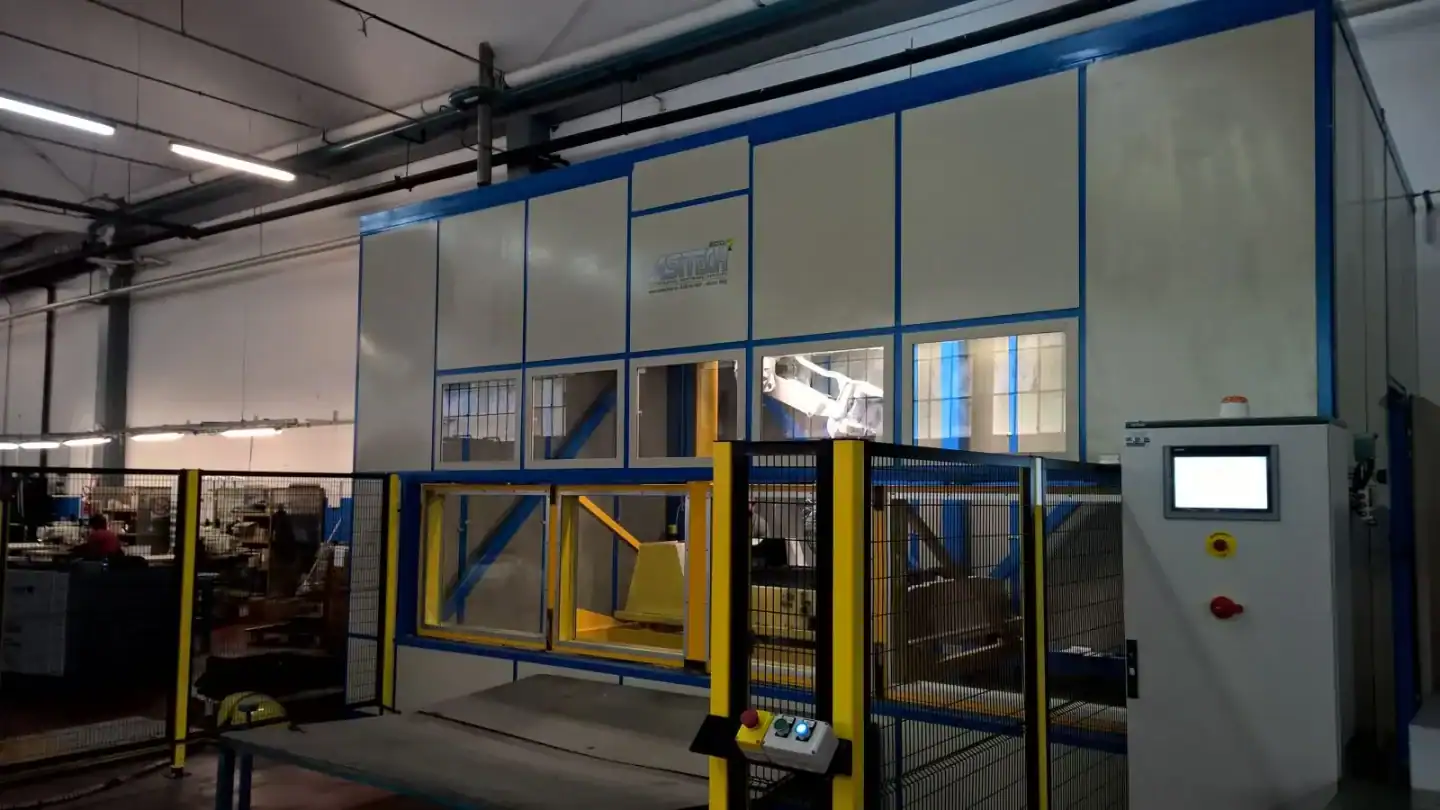
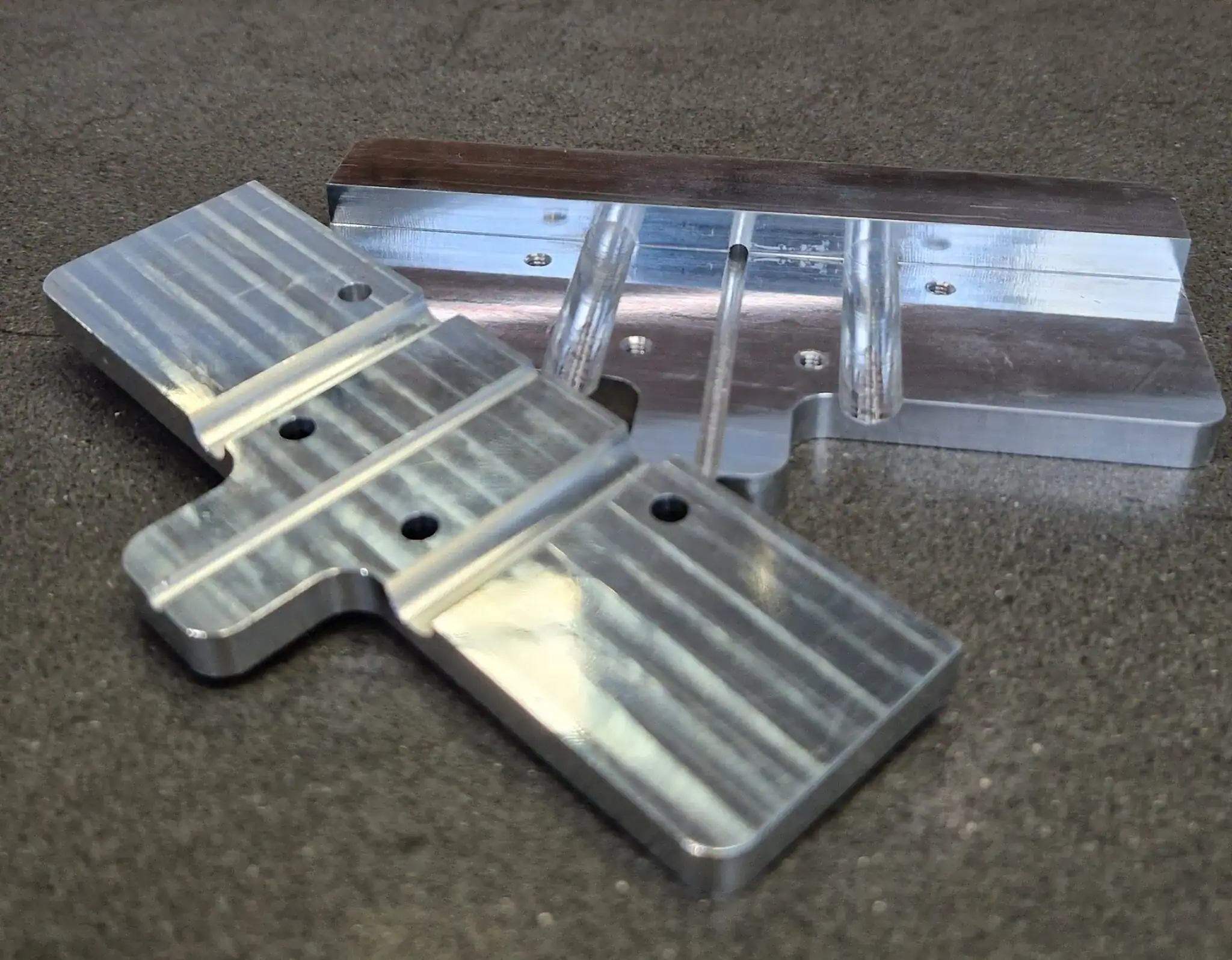


Customized Industrial Plants: Xometry Helps Asitech to Build Machines Quicker
Machine Building
Electronics
Obróbka CNC
Druk 3D
Prototyping, High-Volume Manufacturing
Read Story
One of the main reasons was your Instant Quoting Engine, which impressed us and helped us a lot … in zero time, I can get a quote for 1, 10 or 100 pieces, and test how much it might cost to produce with one material over another.
Read Story

Play video
Video case


Premium E-Scooter Prototype Produced in Rapid Time for Micro Mobility Launch
E-Mobility
Obróbka CNC
Druk 3D
Prototyping
Read Story
There was a noticeable trend of people moving away from buses and trains, instead taking up e-scooters for a sense of freedom and personal space.
Read Story
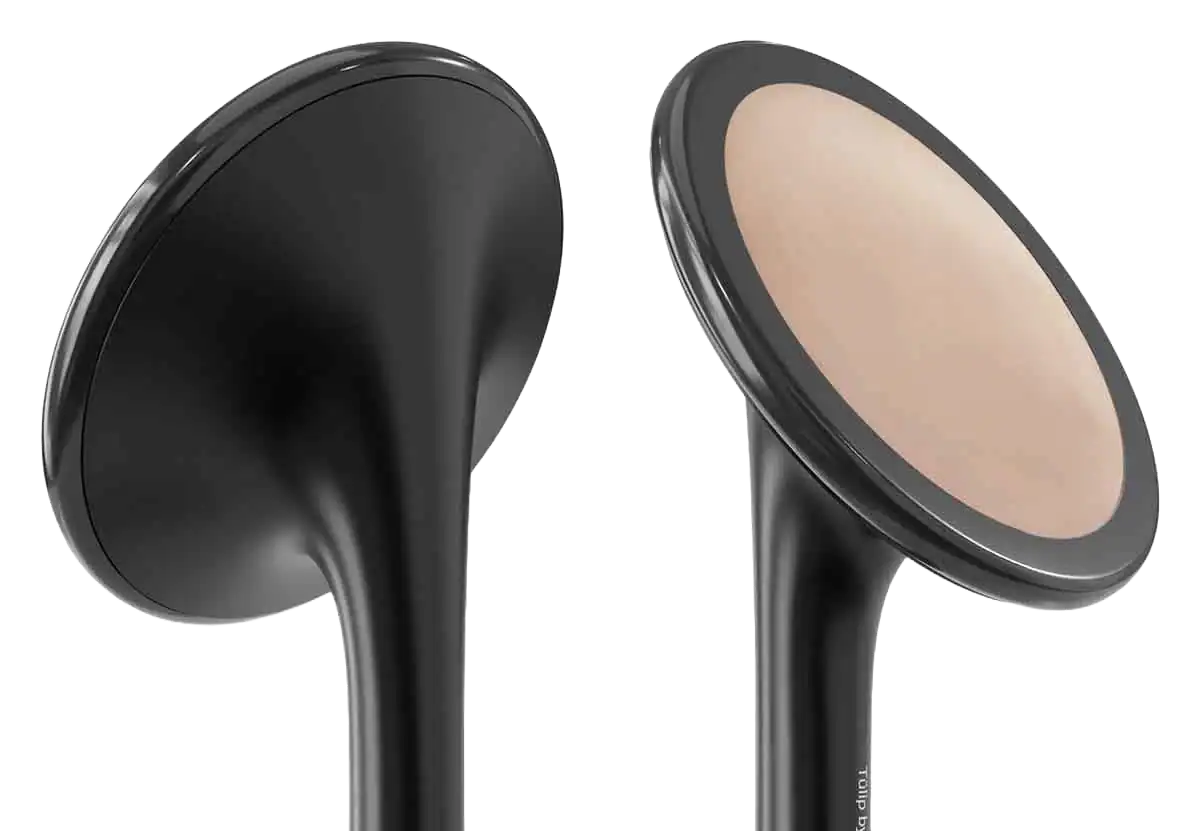


How Doccheck is Reinventing and Mass-producing Medical Products With Xometry
Healthcare
Obróbka CNC
Druk 3D
Formowanie wtryskowe
Prototyping, R&D
Read Story
If it’s not close enough to the reference model, Xometry is very helpful and we get a new one based on our feedback until we’re completely sure that’s the right quality we want. Xometry is always there to help us and is focused on delivering the best possible solution.
Read Story



The First Portable Calibrator for Chemical Sensors Built Using Xometry
Obróbka CNC
Druk 3D
Prototyping, R&D
Read Story
We didn’t expect the case to be a key feature of the device, but the customers thought otherwise. It was a real innovation in terms of design…
Read Story




An Innovative Bike With 3d Printed Metal Suspension From Xometry
Sports
Obróbka CNC
Druk 3D
Prototyping, R&D
Read Story
Having a partner we could rely and deliver high-quality parts was essential… If things had gone wrong, we wouldn’t have won the competition.
Read Story
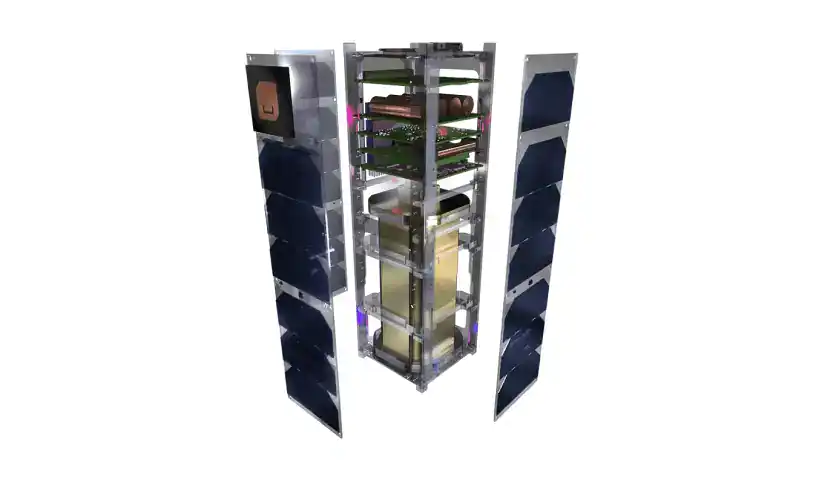


Designing A Nanosatellite For A Biological Experiment With The Help Of Custom Manufacturing
Machine Building
Electronics
Obróbka CNC
Druk 3D
Prototyping, R&D, Procurement
Read Story
Xometry is one of the best places to source your parts in aerospace engineering.
Read Story



Mapix Leverages Xometry To Manufacture LiDAR Mapping Solutions For Drones
Robotics
Machine Building
Electronics
Obróbka CNC
Druk 3D
Prototyping, R&D, Procurement
Read Story
The communication with Xometry is very good! There is perhaps a misconception that Xometry is a web based service, so you get very little human interaction. This is certainly not the case: we have an account manager assigned to us who is very approachable and responsive.
Read Story

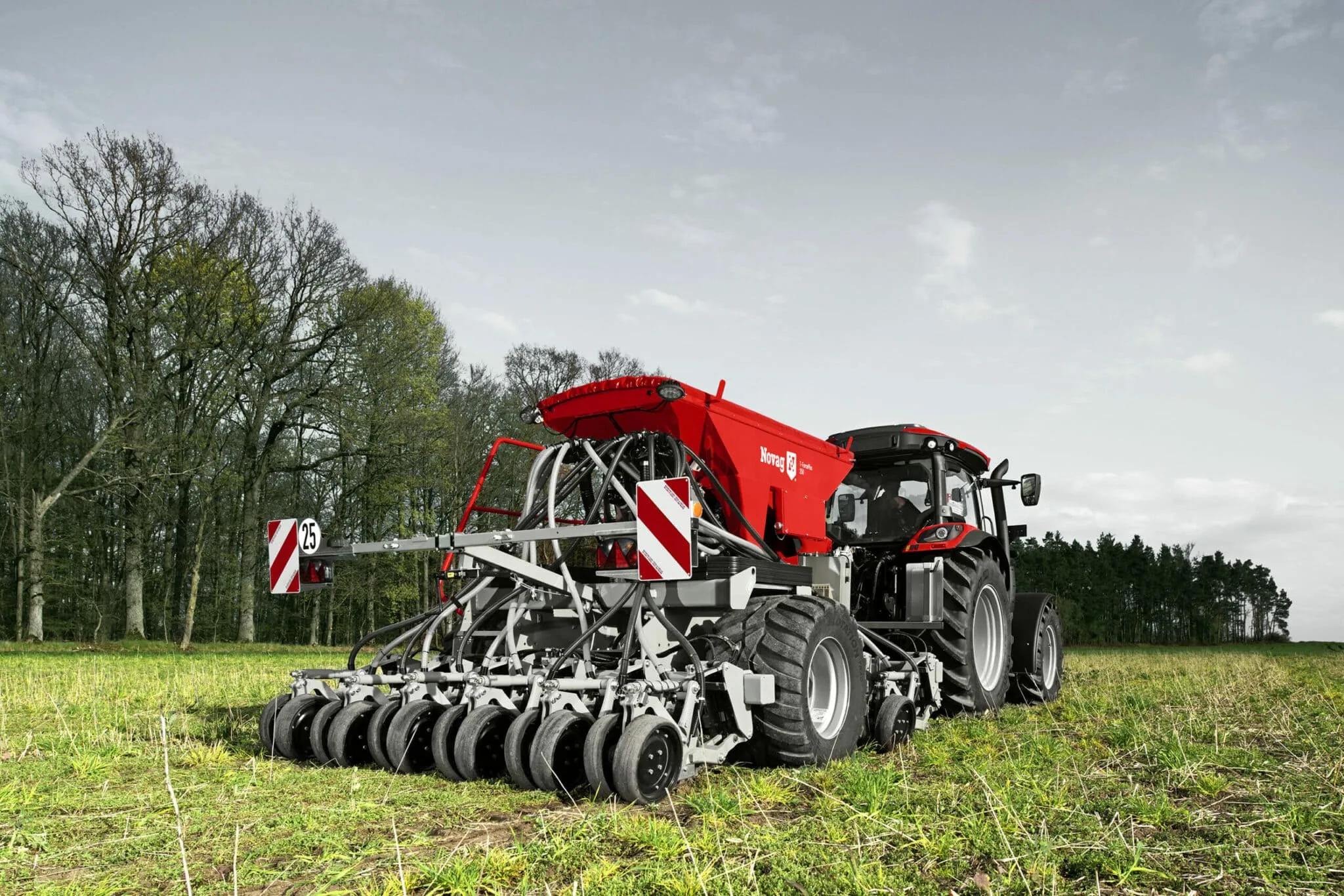

Novag and Xometry Partner to Develop Advanced Equipment for Conservation Agriculture
Machine Building
Obróbka CNC
Druk 3D
Formowanie wtryskowe
R&D, Procurement
Read Story
Novag, a company focused on sustainable farming, has created next-generation seed drill systems for agricultural machines that ensure precise seed placement and soil conservation. By developing advanced equipment designed to boost efficiency and reduce environmental impact, Novag is leading the way in Next Generation Farming. With the manufacturing expertise of Xometry, Novag is producing cutting-edge agricultural systems that are transforming modern farming practices.
Read Story
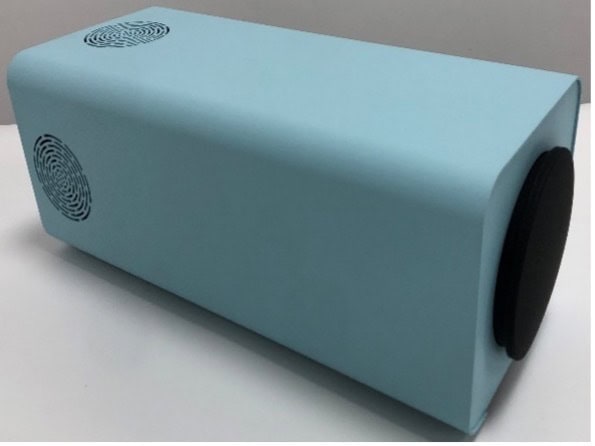



R&D Efficiency Restored: Xometry Ensures Uninterrupted Supply of Critical Precision Parts
Machine Building
Obróbka CNC
Prototyping, Procurement
Read Story
Collaborating with Xometry allows us to concentrate more on our core R&D, saving substantial time and significantly boosting project efficiency.
Read Story